Tough Mucka

Traillauf in Isle of Man, Castletown
Über die Veranstaltung
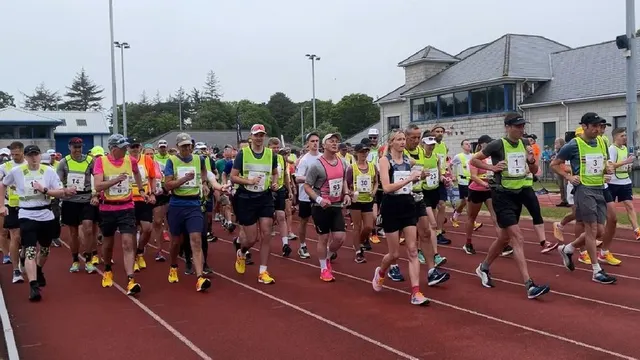
Tough Mucka is an off‑road obstacle race held on Isle of Man farmland, featuring 2km, 5km and 10km courses that test teamwork, agility and determination through natural and man‑made challenges.
Verpflegung & Versorgung
On‑course Verpflegung available at multiple stations including water, sports drinks, and soup; specific aid‑station menu is confirmed on the race day route map.
Pacer
Pacemaker groups run target times per start wave listed on the ‘Renntag für Laufende’ page; pacers wear high‑visibility flags and are available for the 5km and 10km adult courses to help runners meet their target splits.
Ergebnisse
Offizielle Ergebnisse ansehenWas im Startgeld enthalten ist
- 2km Fun Run
- 5km Adult Obstacle Course
- 10km Adult Obstacle Course
- Entry automatically transfers to Sunday 4th October if postponed; refund option within 10 days
FAQ
How do I access urgent help for myself or someone else?
Call 999 or go to Nobles ED now if someone’s life is at risk, for example they have seriously injured themselves or taken an overdose, or you do not feel you can keep yourself or someone else safe. Call CAMHS on 01624 642875 if you are a young person, or your call is about a young person and you are concerned about significant deterioration in their mental health or that they are at risk of harming themselves or other people (within the hours of 9-5, Monday to Friday). Call the Crisis Response Home Treatment Team on 01624 642860 if you are concerned about a significant deterioration in your/someone else’s mental health, or believe that you/someone else is at risk of harming themselves or other people, outside the hours of 9-5, Monday-Friday.
What is Talk?
Talk is a service commissioned by Manx Care and provided by Isle Listen in partnership with CAMHS. Talk provides a single point of access (SPA) for young people on the Isle of Man who need support with their mental health. Talk receives referrals for children and young people from any source, including self-referrals, and supports access to appropriate support/services based on the THRIVE approach. What services does Talk provide?Talk provides a referral point for all those under 18 who are looking for support with their mental wellbeing. The service has a team of professionals who are able to provide therapeutic support, or make a direct referral to CAMHS or other service partners, based on need. Talk also provides access to a range of information, advice and signposting for children and young people and their families What sort of things does Talk help with?Talk can accept referrals for any child or young person on the Isle of Man who requires mental health support.
Watch our videos to learn more about the Talk service
If you are an adult looking for more information about referring to Talk, please watch the video below: If you are a young person looking for more information about accessing Talk, please watch the video below:
Who can access Talk?
The service is available for children and young people, who live on the Isle of Man, and are under 18. Who can make a referralReferrals to Talk can be made by parents, carers, education or health staff (including GPs) or other professionals for children and young people who require support. Additionally, Talk will accept self-referrals. For children and young people who are already receiving support from CAMHS, or have a Care Plan, referrals to Talk services should come from the relevant professional. Referrals from Inpatient Paediatrics should go straight to CAMHS. Consent and competenceWhen making a referral for a young person, their consent must be sought. Parental consent should be sought for referrals for those under the age of 16. However, if a young person under 16 wishes for their parent/carer not to be contacted about their referral, there is an option on the form for them to request an assessment of Gillick-competence. Such assessments will be undertaken by our Safeguarding Lead to determine whether a young person under 16 can access our services without consent from a parent/carer. The same process will apply when it comes to consent for the text message reminder service.
What information do I need to complete a referral?
The referral form will take approximately 10-15 minutes to complete. You will need the following information to complete the referral: Information on the young person’s history with other services (e.g. CAMHS) if necessary The young person’s consent to refer them, please make them aware of the process The young person’s full name and contact details What if there is a safeguarding issue?If you suspect that a child or young person is being harmed or is at risk of being harmed then you have a duty to report it immediately. Visit the Isle of Man Safeguarding Board website for further advice.
How does therapy work?
Therapy provides a supportive, non-judgemental environment where you can feel more able to talk openly about your experiences. Learn more on the Talk website here.
Therapy has been recommended for me at Talk. What happens next?
Talk will guide you through what to expect, step by step — from your first referral to starting sessions with a therapist. Learn more about the process on the Talk website here.
Is a referral to Talk a referral to CAMHS?
No. While Talk works in partnership with CAMHS, it also works with a variety of other services to find the right support for each young person, as well as providing therapeutic services directly.
Where are you based/how can I contact you?
Talk operates from two office bases. Staff also work in schools & community locations. Douglas (primary location)Scholl Wellbeing CentreEast Drive, StrangDouglasIsle of ManIM4 4RPwhat3words: else.snips.tirades CastletownMill Court (Isle Listen)Hope StreetCastletownIsle of ManIM9 1ANwhat3words: gone.synopses.tending The phone number is: 01624 679544 The email address is: talk@islelisten.im What do I do if your referral form is down?Should the referral form be unavailable, please call or email the service and you will be provided with an electronic copy of the referral form to complete. I’m unsure about a potential referral, is there someone who can help me?If you have any questions about the referral process, the best route is to call or email Talk. You can also visit a Talk office location.
What should I do if I’m worried about my mental health?
Call 999 or go to Noble’s ED now if someone’s life is at risk – for example, they have seriously injured themselves or taken an overdose/you do not feel you can keep yourself or someone else safe. Call CAMHS on 01624 642875 if you are a young person, or your call is about a young person and you are concerned about significant deterioration in their mental health or that they are at risk of harming themselves or other people, within the hours of 9-5, Monday-Friday. Call the Crisis Response and Home Treatment Team on 01624 642860 if you are concerned about a significant deterioration in your/someone else’s mental health, or believe that you/someone else is at risk of harming themselves or other people, outside the hours of 9-5, Monday-Friday. Non-urgent supportIf you’re struggling, it’s important to reach out for support. This could be to your GP, Community Wellbeing Service, a mental health professional, a trusted friend, or a helpline. Under 18s can be referred to Talk. Early intervention can make a significant difference.
What is mental health?
Mental health refers to our emotional, psychological, and social well-being. It affects how we think, feel, and act, and also influences how we handle stress, relate to others, and make choices.
What are common signs of a mental health problem?
Common signs include (but are not limited to) persistent sadness, excessive worry or fear, mood changes, withdrawal from social activities, changes in sleep or appetite, difficulty concentrating, and feelings of hopelessness or worthlessness.
What causes mental health problems?
Mental health issues can be caused by a range of factors, including genetics, brain chemistry, trauma or abuse, life experiences, and environmental stressors. Combinations of these aspects can be common too. Sometimes we may even not know what caused them in the first place, and this is completely normal.
How do I support someone with a mental health issue
Listen non-judgmentally, encourage them to seek professional help, educate yourself on their condition, and be patient. Showing consistent support and empathy can have a powerful impact. Set clear boundaries about when you will need to tell someone if you are concerned about the person’s safety.
Are mental health problems common?
Yes. 1 in 4 people will experience a mental health issue at some point in their lives. It’s more common and normal than many people realise, and our mental health is just as important as our physical health.
Zuletzt aktualisiert: Jun 6, 2026, 12:25:39 AM
RaceAlert aktivieren
Wir mailen dir, wenn Läufe zu deinen Filtern passen. Kein Spam — nur passende Rennen.



Auf die Plätze
Racedetails werden geladen…